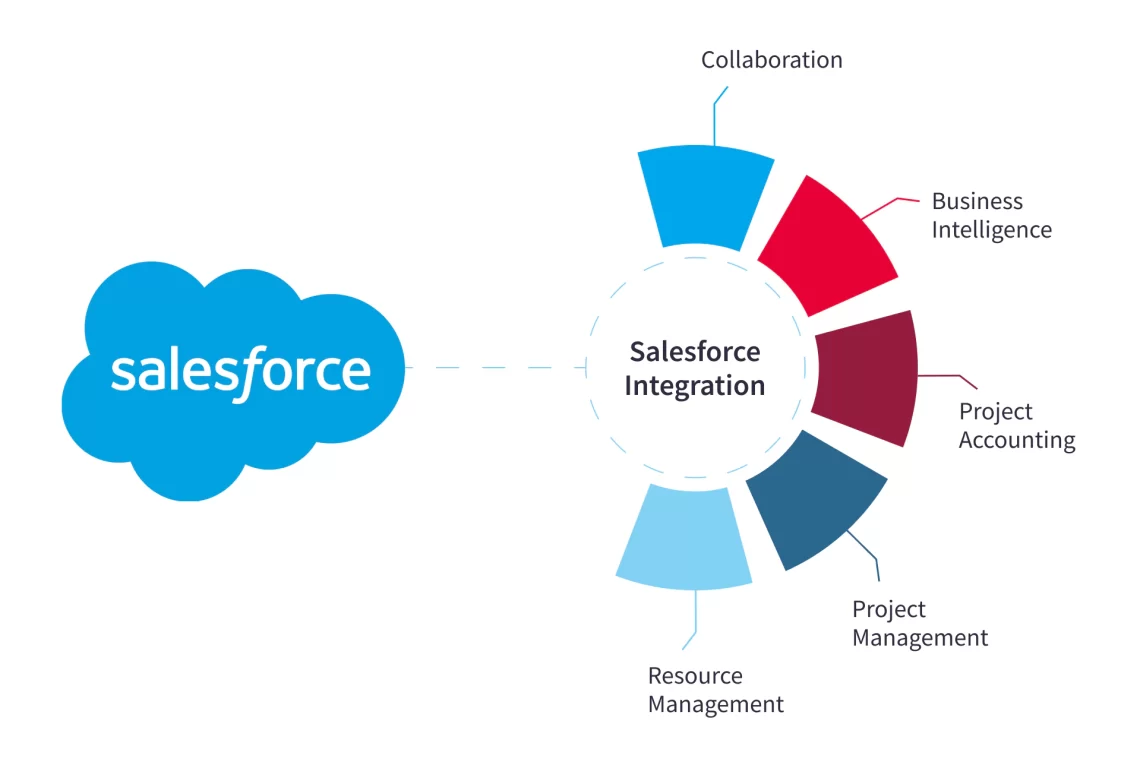
Melbourne businesses are jumping into digital transformation, looking for ways to run smoother, work smarter, and give customers a better experience. As they scale up, juggling separate tools for sales, operations, finance, and support just doesn’t cut it anymore. Information gets lost, teams get stuck, and everyone wastes time. That’s why so many companies here turn to Salesforce consultants to help blend their ERP systems with Salesforce.
When you get Salesforce and ERP talking to each other, life gets a lot easier. Data moves instantly. Repetitive work gets automated. Teams can make decisions without waiting for someone to dig up a report. Let’s dive into how Melbourne companies are making the most of this integration to get more done and work more efficiently.
Why Melbourne Companies Go All-In on Salesforce–ERP Integration
ERP systems run the show behind the scenes — manufacturing, supply chains, finance, inventory. Salesforce takes care of customers, sales, and service. But if these two worlds stay separate, it’s a mess. Teams end up dealing with:
Slow information updates
Entering the same data twice
Mistakes that slip through
Not enough insight into customers
Waiting too long to respond
Salesforce consultants in Melbourne help companies bring it all together, giving teams a single, real-time workflow.
Making Salesforce and ERP Work Together
Salesforce plays nicely with big-name ERP platforms like SAP, Oracle, Microsoft Dynamics, Netsuite, and Infor. When everything’s connected:
Teams get real-time info — no more waiting around.
Workflows run automatically, saving hours every week.
Dashboards pull together sales, inventory, orders, and customer details on one screen.
Sales teams check stock, place orders, and track shipments without jumping between systems.
A local Salesforce consulting partner who understands both sides makes the whole process smoother.
What’s in It for Melbourne Businesses?
- Happier Customers
With CRM and ERP sharing data, teams answer questions faster and keep customers in the loop. - Forecasting That Actually Works
All-in-one insights help predict demand, production, and inventory way better. - Teams That Get More Done
Automated data flow means less busywork and fewer mistakes. - Smarter Money Moves
Live financial data makes budgeting and planning a whole lot easier. - Less Tech Headache
Integration means fewer tools, less manual syncing, and less IT hassle.
A skilled Salesforce developer in Melbourne brings all this to life, building custom connections and logic where needed.
Custom Salesforce Solutions for Melbourne
No two businesses run the same way. That’s why Melbourne companies often go for custom Salesforce setups that:
Show exactly the info you want on dashboards
Automate approvals and processes
Connect ERP modules with Sales Cloud
Track orders, invoices, and shipments in real time
Use custom APIs to tie everything together
These tweaks help teams work the way they want, without messing up what’s already working.
Why Work With a Local Salesforce Consultant?
Here’s what a good Salesforce consultant in Melbourne brings to the table:
Figures out exactly what your integration needs are
Maps your data between systems so nothing gets lost
Builds out automation that actually saves time
Keeps your data secure and flowing smoothly
Sticks around to support you after launch
Trains your team so everyone’s on board
With the right partner, you get an integration that’s built to last and scale with your business.
For more insights on Salesforce automation and CRM strategies, check out our related post on Salesforce solutions for global enterprises
FAQs
- Why does Salesforce–ERP integration matter for Melbourne businesses?
It connects all your key data, cuts down on manual work, and helps your business run smoother. - Which ERP systems work with Salesforce?
Salesforce connects with SAP, Oracle, Microsoft Dynamics, Netsuite, Infor, and pretty much any modern ERP. - Do you need a Salesforce consultant for integration?
Absolutely. An expert makes sure your data maps correctly and the systems work together without a hitch. - What does a Salesforce developer do?
They build the custom APIs, connectors, and workflows that make integration seamless. - Can small businesses benefit from Salesforce–ERP integration?
Definitely. Even smaller companies get better visibility, more automation, and quicker customer service.